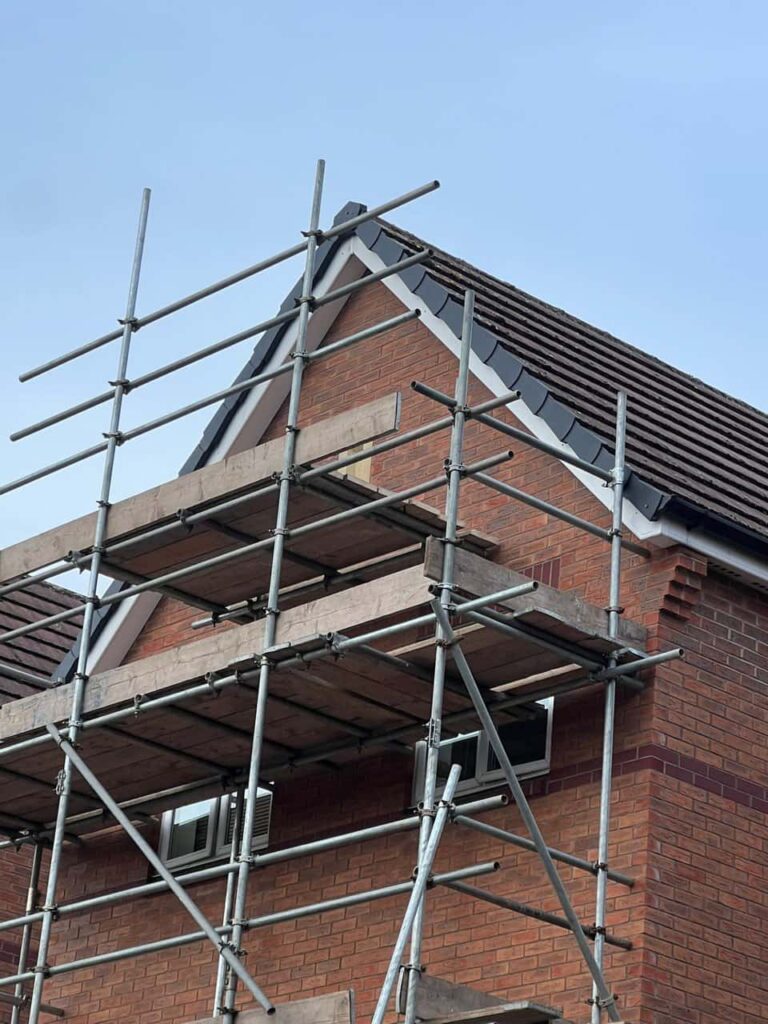
Leadwork is a critical yet often overlooked component of a roofing system. While tiles and slates form the visible outer layer, it is the lead detailing that protects the most vulnerable areas where water is most likely to enter. Without properly installed and maintained leadwork, even a well-constructed roof can develop leaks.
For homeowners in Radcliffe on Trent, Nottingham, understanding the importance of leadwork can help prevent avoidable roofing issues and ensure long-term protection. At Radcliffe on Trent Roofing Repairs, we regularly carry out leadwork inspections and repairs to maintain watertight roofing systems.
What Is Leadwork in Roofing?
Leadwork refers to the use of lead sheets to seal joints and intersections within a roof. These areas are typically where different sections of the roof meet or where structures pass through the roof surface.
Common locations for leadwork include:
- Around chimney stacks
- Along roof valleys
- At roof junctions and abutments
- Around dormer windows and extensions
These points are particularly vulnerable to water ingress, making effective sealing essential.
Why Lead Is Used
Lead is widely used in roofing due to its durability and flexibility. It can be shaped to fit complex areas and expands and contracts with temperature changes without losing its effectiveness.
When installed correctly, leadwork provides:
- A long-lasting watertight seal
- Resistance to weather exposure
- Flexibility to accommodate movement within the roof structure
In Radcliffe on Trent, Nottingham, where roofs are exposed to varying weather conditions, these properties make lead an ideal material for protecting key areas.
How Leadwork Prevents Leaks
Leadwork acts as a barrier that directs water away from vulnerable points. Instead of allowing rainwater to seep into joints or gaps, it channels water safely across the surface of the roof and into the drainage system.
For example:
- Lead flashing around chimneys prevents water from entering where the chimney meets the roof
- Lead valleys guide water away from the junction between two roof slopes
- Lead soakers beneath tiles provide additional protection at overlaps
Without these elements, water would be able to penetrate the roof structure more easily.
Common Issues with Leadwork
Although lead is highly durable, it can develop issues over time if not properly maintained or installed. Common problems include:
- Cracking or splitting due to age or movement
- Lifting or displacement caused by weather exposure
- Poor installation leading to gaps or ineffective sealing
- Wear at joints where lead meets other materials
These issues can allow water to enter the roof, often resulting in leaks that may not be immediately visible.
The Importance of Proper Installation
Effective leadwork requires precision and experience. It must be correctly sized, shaped and secured to ensure it performs as intended.
Professional installation ensures:
- Correct positioning to direct water flow
- Secure fixing without restricting natural movement
- Proper overlap and sealing at all joints
At Radcliffe on Trent Roofing Repairs, we take a detailed approach to leadwork, ensuring that every installation is both functional and durable for properties in Radcliffe on Trent, Nottingham.
Maintaining Leadwork Over Time
Regular inspection is essential to ensure that leadwork continues to perform effectively. Identifying early signs of wear allows for timely repairs, preventing small issues from developing into leaks.
Homeowners should be aware of:
- Visible movement or lifting of lead flashing
- Signs of water ingress near roof junctions
- Deterioration around chimney or valley areas
Addressing these concerns promptly helps maintain the integrity of the roof.
Why Professional Assessment Matters
Because leadwork is often located in less visible areas, problems can go unnoticed without a thorough inspection. Professional roofing contractors understand where to look and how to assess the condition of lead components accurately.
At Radcliffe on Trent Roofing Repairs, we carry out comprehensive inspections to ensure that all aspects of the roof, including leadwork, are functioning as they should.
Conclusion
Leadwork plays a vital role in preventing roof leaks by protecting the most vulnerable areas of a roofing system. Its durability and flexibility make it an essential component for maintaining a watertight structure.
For homeowners in Radcliffe on Trent, Nottingham, ensuring that leadwork is properly installed and maintained is key to avoiding water ingress and long-term damage. Radcliffe on Trent Roofing Repairs provides expert leadwork services and professional inspections tailored to local properties. If you have concerns about your roof or want to ensure it remains fully protected, seeking expert advice is a practical and reliable step.
Call us on: 0115 647 1193
Click here to find out more about Radcliffe on Trent Roofing Repairs
Click here to complete our contact form and see how we can help with your roofing needs.