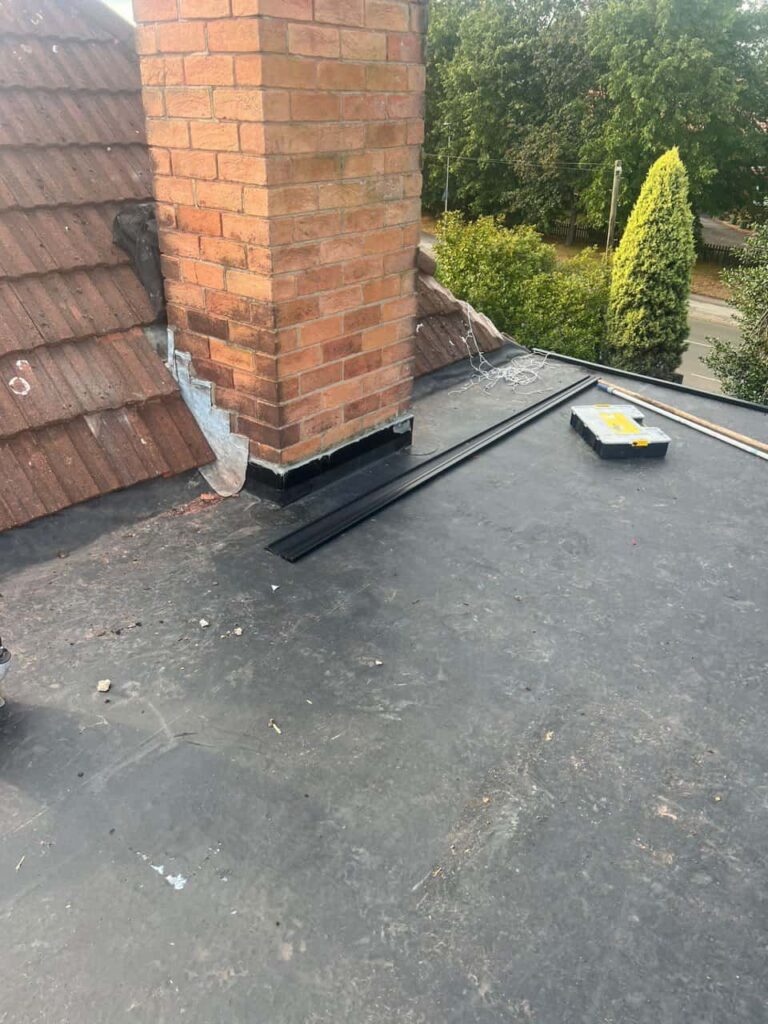
Storm damage does not always leave tiles on the ground or create an immediate leak. Strong winds can disturb roofing materials by only a few millimetres, loosen concealed fixings or weaken weatherproof junctions while the roof continues to look complete from below.
For property owners in Radcliffe on Trent, Nottingham, this means a roof may have developed vulnerable areas even when there are no obvious signs of damage. Recognising how hidden problems occur can help ensure they are identified before further rainfall causes deterioration inside the property.
Why Storm-Related Roof Damage Can Remain Hidden
A roof relies on several connected components, including tiles or slates, fixings, battens, underlay, flashing and mortar. Wind and rain can affect any of these elements without causing the visible covering to fail completely.
Some defects only become apparent during a later spell of wet weather. Others allow a small amount of moisture into the roof space, where it may be absorbed by insulation or timber before reaching a ceiling.
Tiles and Slates Can Shift Slightly
Strong winds create pressure above and below the roof covering. This can lift a tile or slate briefly and disturb its position without removing it from the roof.
Once displaced, the material may no longer overlap the surrounding covering correctly. A narrow gap can then allow wind-driven rain to reach the underlay. From ground level, the affected section may still appear properly aligned.
Movement can also damage the nibs, nails, clips or hooks that hold roofing materials in place. The tile or slate might remain in position temporarily but become more vulnerable during the next storm.
Concealed Fixings May Become Loose
Roofing fixings are largely hidden beneath overlapping materials. Repeated wind loading can gradually weaken them, particularly where they have already deteriorated through age or exposure to moisture.
A loosened fixing does not always cause immediate displacement. Instead, the affected tile may begin to rattle or move slightly whenever the wind strengthens. This repeated movement can enlarge fixing holes, crack the covering or weaken neighbouring components.
Because the visible surface may remain intact, professional inspection is often required to determine whether the fixing system has been compromised.
Underlay Can Tear Beneath the Covering
Underlay provides secondary protection if water passes beneath the tiles or slates. During a storm, movement in the roof covering or debris forced into a gap can puncture or tear this layer.
This damage cannot normally be seen from outside. If the outer covering later admits water, the damaged underlay may no longer direct it safely towards the eaves.
Moisture can then reach battens, rafters or insulation. The first visible symptom may be staining indoors, even though the original storm occurred some time earlier.
Flashing and Roof Junctions Can Separate
Flashing protects vulnerable junctions where the roof meets walls, chimneys and other roof sections. Wind can lift an exposed edge or disturb a joint without removing the flashing entirely.
Even a small separation may allow persistent rain to enter. The resulting leak can be misleading because water may travel along internal surfaces before becoming visible away from the damaged junction.
Valleys and changes in roof level can develop similar problems if storm debris blocks water flow or existing seals become disturbed.
Ridge and Verge Components May Lose Stability
Ridge tiles and verge sections are positioned in exposed parts of the roof. Wind pressure can crack surrounding mortar, loosen mechanical fixings or create movement beneath components that still appear to be aligned.
These defects may remain unnoticed until further weather causes a ridge tile or edge section to move visibly. Loose perimeter materials can also place additional stress on the neighbouring roof covering.
An inspection after severe weather can identify movement before these components become significantly displaced.
Wind-Driven Rain Can Reveal Existing Weaknesses
A storm does not always create a completely new defect. It may expose an area already weakened by cracked mortar, aged sealants, worn flashing or slightly displaced tiles.
Rain driven horizontally by strong wind can enter openings that remain watertight during ordinary rainfall. This explains why some roofs only leak in particular weather conditions.
Understanding when and where an internal damp patch appears can help a roofer trace the likely route of water ingress, although the visible stain may not sit directly beneath the defect.
Warning Signs to Look For After a Storm
Possible indications of concealed roof damage include:
- a tile or slate that appears uneven or lower than those around it
- fragments of mortar or roofing material on the ground
- new rattling sounds during windy conditions
- damp or musty smells in the loft
- wet insulation or darkened roof timbers
- ceiling marks that appear after prolonged rain
- moisture around a chimney or roof junction
- gutters containing unusual amounts of slate, tile or mortar debris
These signs do not confirm the precise cause, but they indicate that the roof should be examined more closely.
Why an Early Professional Assessment Matters
A meaningful storm inspection involves more than checking whether materials are missing. It should assess vulnerable roof edges, ridges, junctions, flashing and the condition of accessible internal areas.
This wider approach helps distinguish between superficial movement and damage affecting the weatherproofing beneath the covering. It also allows the repair to address the cause rather than only the point where moisture eventually becomes visible.
Property owners should avoid attempting to inspect a roof at height, especially after bad weather when surfaces may be wet or unstable.
Conclusion
Wind and storm damage can remain hidden when roofing materials move without falling, fixings loosen beneath the covering, underlay tears or flashing separates at a concealed junction. A roof can therefore appear sound while becoming increasingly vulnerable to water ingress and further movement.
If your property in Radcliffe on Trent, Nottingham has been exposed to severe weather or you have noticed possible warning signs, Radcliffe on Trent Roofing Repairs can carry out a thorough assessment and identify any areas requiring attention. Contact our team to arrange a professional roof inspection.
Call us on: 0115 647 1193
Click here to find out more about Radcliffe on Trent Roofing Repairs
Click here to complete our contact form and see how we can help with your roofing needs.