A roof is designed to protect a property from rain, wind and changing weather conditions. However, damaged tiles, deteriorating flashing or problems with roof coverings can allow water to enter gradually. In many cases, the first signs of a leak appear inside the property rather than on the roof itself.
Recognising these warning signs early can help prevent further damage to ceilings, walls, insulation and timber structures. For homeowners in Radcliffe on Trent, Nottingham, knowing what to look for makes it easier to identify potential roofing problems and arrange suitable repairs before they become more extensive.
Water Stains on Ceilings and Walls
One of the most noticeable signs of a roof leak is a brown, yellow or discoloured patch on an internal ceiling. These marks may appear beneath the roof space where water has travelled through the structure and affected plasterboard or other ceiling materials.
Stains can also develop along the upper sections of walls, particularly where the roof meets a gable wall or around chimney structures. The affected area may become darker after rainfall, although some leaks only become visible once moisture has accumulated over time.
It is important not to assume that the stain marks the exact point where water is entering. Rainwater can travel along roof timbers, insulation and other surfaces before becoming visible indoors. A proper inspection is needed to identify the source.
Damp Patches and Peeling Paint
Water entering through the roof can gradually affect internal finishes. You may notice peeling paint, bubbling wallpaper or plaster that feels damp to the touch.
These problems can develop around ceiling edges, upstairs rooms and areas close to chimney breasts. Even a small amount of repeated moisture can weaken decorative finishes and cause them to deteriorate.
If damp patches return after being cleaned or redecorated, the underlying cause should be investigated. Covering the visible damage without addressing the leak will not prevent further water ingress.
Dripping Water During Heavy Rain
Active dripping is a clear indication that water may be entering the property. You might notice water falling from a ceiling joint, collecting around a light fitting or running down an internal wall during periods of rainfall.
If this happens, place a suitable container beneath the leak and move furniture or belongings away from the affected area. Avoid touching wet electrical fittings or switches, and seek appropriate professional assistance if water is near electrical installations.
A leak that only appears during heavy rain may still indicate a significant weakness in the roof covering or drainage system. It should not be dismissed simply because the dripping stops when the weather improves.
Musty Smells and Persistent Dampness in the Loft
Not every roof leak produces an obvious stain or drip. Sometimes, the first indication is a persistent musty smell in the loft or upstairs rooms.
Moisture trapped within insulation and roof timbers can create damp conditions that are difficult to notice from the living areas. During a visual inspection from a safe position, look for signs such as damp insulation, water marks on rafters, darkened timber or visible mould growth.
Poor loft ventilation can also contribute to condensation, so not every damp patch necessarily comes from a roof leak. A professional assessment can help distinguish between condensation and water entering through the roof.
Damaged or Discoloured Loft Insulation
Roof leaks can affect insulation before they become visible inside the property. Wet insulation may become compressed, discoloured or less effective at retaining heat.
If sections of loft insulation appear damp or have developed an unusual smell, the roof space should be checked for possible water ingress. The source could be damaged tiles, defective flashing, a leaking roof valley or another vulnerable part of the roof.
Insulation should not simply be replaced without investigating why it became wet. Otherwise, the same problem may affect the replacement material.
Mould Growth Around Upper Floors
Persistent moisture can create conditions that encourage mould growth. Dark spots may appear on ceilings, around the tops of walls or in corners of upstairs rooms.
Although mould can result from condensation and inadequate ventilation, it can also be associated with a roof leak. The location and pattern of the affected areas can provide useful clues, but identifying the actual source requires further investigation.
Addressing the moisture problem is essential. Cleaning visible mould without resolving the cause may only provide a temporary improvement.
Common Roofing Problems That Allow Water to Enter
Several parts of a roof can become vulnerable to water ingress as materials age or weather conditions take their toll.
Common causes include:
- Slipped, cracked or missing roof tiles and slates.
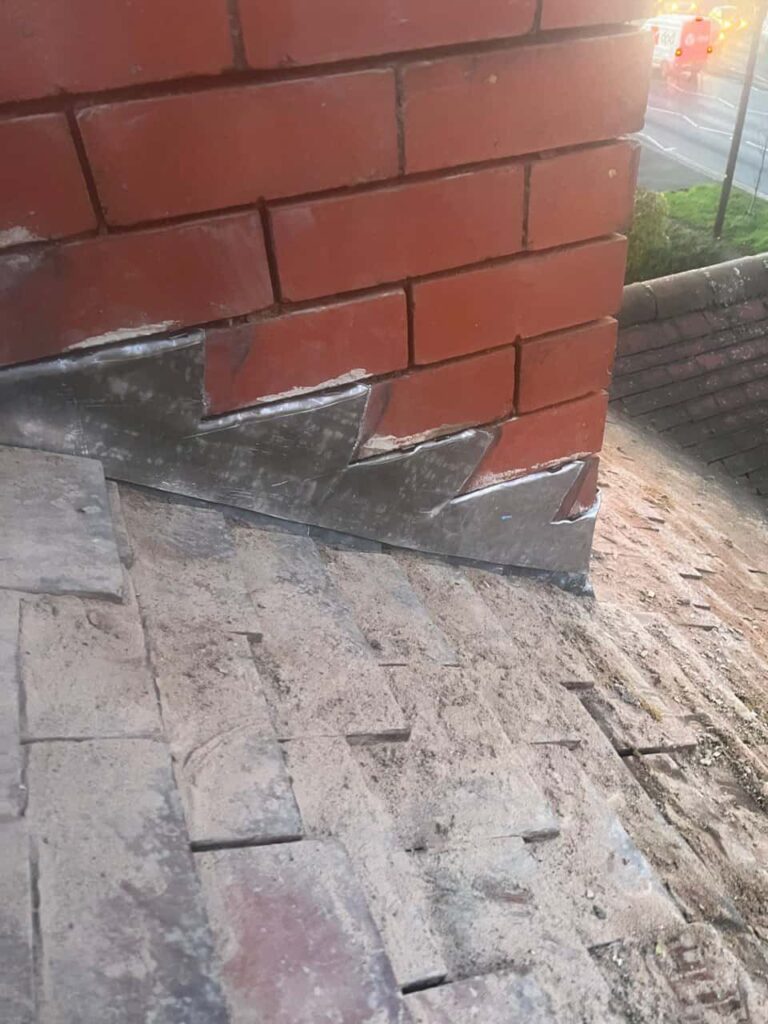
- Damaged lead flashing around chimneys and roof junctions.
- Deteriorated mortar around ridge tiles and verges.
- Blocked or damaged roof valleys that prevent rainwater from draining correctly.
- Defective seals and joints around roof windows or other roof openings.
- Damaged flat roof coverings or failing seams.
The location of internal dampness can help guide an inspection, but the source is not always directly above the visible damage.
Why Early Roof Leak Repairs Matter
Even a relatively small leak can cause problems if water continues to enter the property. Repeated moisture exposure may damage plasterwork, affect insulation and contribute to timber deterioration.
Arranging an inspection when the first warning signs appear can help establish whether a localised repair is needed or whether a wider section of the roof requires attention. It also reduces the risk of leaving hidden damage unresolved.
Homeowners should avoid climbing onto the roof to investigate suspected damage themselves. A professional roofer can assess vulnerable areas using suitable access equipment and recommend an appropriate course of action.
Conclusion
Water entering through the roof can cause more than an occasional damp patch. Ceiling stains, peeling paint, musty smells, wet loft insulation and mould growth can all indicate a potential roofing problem. Recognising these signs early helps property owners take action before moisture causes more extensive damage.
Radcliffe on Trent Roofing Repairs provides roofing repair services in Radcliffe on Trent, Nottingham. If you have noticed signs of dampness or suspect that water is entering your property through the roof, get in touch to arrange an inspection and discuss the repairs required.
Call us on: 0115 647 1193
Click here to find out more about Radcliffe on Trent Roofing Repairs
Click here to complete our contact form and see how we can help with your roofing needs.