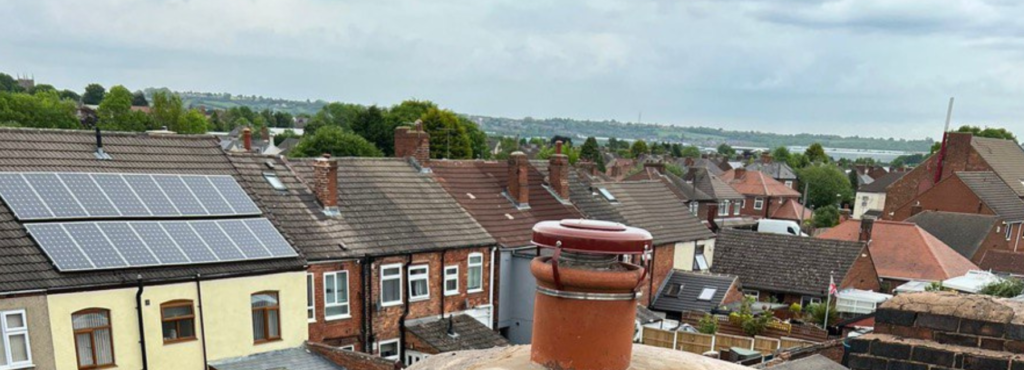
A damaged roof can quickly become one of the most serious issues a homeowner faces. Whether caused by severe weather, falling debris, ageing materials or sudden structural failure, roofing damage often requires immediate attention to prevent the problem from escalating. In these situations, emergency roofing repairs play a vital role in stabilising the roof and protecting the property from further harm.
For homeowners in Radcliffe on Trent, Nottingham, understanding how emergency roof repairs work and why they are so important can help minimise damage and ensure the roof remains safe and secure until permanent repairs can be completed.
What Are Emergency Roofing Repairs?
Emergency roofing repairs are urgent measures carried out to address sudden roofing problems that threaten the integrity of the property. Their primary purpose is to stabilise the damaged area, prevent further deterioration and restore a level of protection against the elements.
Emergency repairs are often required following:
- Storm damage
- Fallen tree branches
- Missing or displaced roof coverings
- Structural movement
- Sudden leaks
- Damage caused by high winds
These repairs focus on making the roof safe and preventing additional damage while a full assessment is carried out.
Why Immediate Action Matters
Roof damage rarely remains static. Once a section of the roof has been compromised, exposure to rain, wind and changing weather conditions can cause the situation to worsen rapidly.
Delaying repairs may result in:
- Increased water ingress
- Additional structural damage
- Dampness within the property
- Damage to insulation and roof timbers
- More extensive future repair requirements
Emergency intervention helps stop the problem from escalating and protects the property from further exposure.
Preventing Water Ingress
One of the most important functions of emergency roofing repairs is preventing water from entering the building.
When tiles, slates or flashing become damaged, rainwater can penetrate the roof structure and spread throughout the property. Even relatively small openings can allow significant amounts of moisture to enter during periods of heavy rainfall.
Emergency repairs help seal vulnerable areas and restore the roof’s ability to shed water effectively.
Securing Loose Roofing Materials
High winds and storm conditions can loosen roofing materials and create potential safety hazards.
Emergency roofing work may involve:
- Securing loose tiles
- Stabilising ridge tiles
- Re-fixing displaced flashing
- Removing unstable debris
These actions help prevent further movement and reduce the risk of additional damage occurring.
Protecting the Roof Structure
Roof coverings form the first line of defence, but the structural components beneath them are equally important.
Once water begins entering the roof space, timber components and supporting structures may become vulnerable to deterioration.
Emergency repairs help protect:
- Roof timbers
- Battens
- Underlay systems
- Internal ceilings
- Loft spaces
By reducing exposure to moisture, these repairs help preserve the overall condition of the roof structure.
Restoring Temporary Stability
In some situations, roof damage affects more than just the surface covering. Structural movement or impact damage may compromise the stability of sections of the roof.
Emergency repairs can provide temporary reinforcement that helps maintain safety until permanent remedial work can be planned and completed.
This stabilisation is particularly important following severe weather events or significant impact damage.
Allowing Time for a Full Assessment
Emergency repairs are often the first stage of a larger repair process. Once the immediate threat has been controlled, roofing professionals can conduct a detailed inspection to determine the full extent of the damage.
This allows for:
- Accurate diagnosis
- Identification of hidden issues
- Development of a long-term repair plan
- Prevention of recurring problems
Stabilising the roof first ensures the property remains protected while these assessments take place.
Common Signs You May Need Emergency Roofing Repairs
Homeowners should seek urgent roofing attention if they notice:
- Active leaks during rainfall
- Missing sections of roofing material
- Sudden water stains on ceilings
- Fallen branches impacting the roof
- Visible sagging or movement
- Storm-related damage
Acting quickly can significantly reduce the extent of damage and improve the outcome of future repairs.
The Importance of Professional Emergency Repairs
Emergency roofing situations require experience, knowledge and a thorough understanding of roof structures. Quick fixes that fail to address the underlying problem may provide only temporary relief and could allow further deterioration to occur.
At Radcliffe on Trent Roofing Repairs, we provide professional emergency roofing services throughout Radcliffe on Trent, Nottingham. Our experienced team responds promptly to roofing emergencies, stabilising damaged roofs and helping homeowners protect their properties from further harm.
Conclusion
Emergency roofing repairs play a critical role in stabilising damaged roof structures, preventing water ingress and protecting the property from escalating damage. By securing vulnerable areas and restoring temporary stability, these urgent repairs provide valuable protection while permanent solutions are planned.
For homeowners in Radcliffe on Trent, Nottingham, recognising the signs of roofing emergencies and acting quickly can make a significant difference to the condition of the property. Radcliffe on Trent Roofing Repairs provides expert emergency roofing services designed to safeguard homes and restore confidence when unexpected roofing problems occur.
Call us on: 0115 647 1193
Click here to find out more about Radcliffe on Trent Roofing Repairs
Click here to complete our contact form and see how we can help with your roofing needs.